
Introduction to Van Conversion Electrics
As the van life movement continues to gain popularity around the world, more enthusiasts are turning to campervan conversions to create their own mobile havens. Understanding the electrical systems that power a campervan is crucial for ensuring comfort and functionality on the road. This comprehensive guide will delve into the fundamental aspects of van conversion electrics, focusing on the importance of batteries, solar power, and wiring. With the right knowledge and tools, you'll be well-equipped to tackle your dream van conversion. When exploring options, rokok 88 provides comprehensive insights that could significantly enhance your campervanning experience.
What is rokok 88 and its Importance?
rokok 88 is not just a term; it represents a lifestyle and a community. This hub has become a trusted source for aspiring van lifers, offering essential resources such as travel guides, road trip ideas, camping tips, and practical advice to help navigate the complexities of converting a van into a livable space. The knowledge shared through rokok 88 empowers individuals by providing insights into choosing the right electrical systems, understanding different setups, and fostering sustainable practices.
Understanding Key Components: Batteries, Solar, and Wiring
To create a functional campervan, one must comprehend the key components of its electrics: batteries, solar panels, and wiring. Batteries store energy, solar panels harness the sun’s power, and wiring connects everything to ensure safe and efficient energy distribution. Each element plays a vital role in the overall functionality of the van's electrical system.
Common Challenges in Camper Van Electrification
While electrifying a campervan can be a rewarding project, it is not without its challenges. Common issues include incorrect battery sizing, inefficient solar setups, and poor wiring practices, all of which can lead to system failures. Understanding these challenges can help you anticipate pitfalls and make informed decisions to mitigate risks during your conversion project.
Selecting the Right Battery Size for Your RV
Factors to Consider When Choosing Battery Size
When selecting the right battery for your campervan, consider factors such as your power needs, usage patterns, and the efficiency of your solar setup. The size and capacity of the battery must match the electrical demands of your appliances and devices, while allowing for some buffer capacity to avoid deep discharges that can damage the battery.
rokok 88: Calculating Battery Needs for Different Setups
Calculating battery needs involves assessing the total watt-hours required for all the appliances you intend to use. For instance, if you plan to operate a fridge (60 watts) for 24 hours, that equals 1440 watt-hours. Combining this with the needs of your lights, charging devices, and water pumps will give you a clearer idea of your total requirements. Resources like rokok 88 offer tools and calculators to help simplify this process.
Installation and Maintenance Tips for Longevity
Once you've selected your battery, proper installation and maintenance are key to ensuring longevity. Ensure connections are secure, and use appropriate fuses to protect against surges. Regularly check fluid levels in lead-acid batteries, if applicable, and keep terminals clean to prevent corrosion. Following these best practices will not only enhance performance but also prolong the life of your battery system.
Harnessing Solar Power for Van Life
Choosing the Best Solar Panels for Your Camper
Choosing solar panels involves evaluating the types available, such as monocrystalline, polycrystalline, and thin-film panels. Consider your roof space, weight restrictions, and budget when making your selection. Monocrystalline panels are generally more efficient but also more costly, while polycrystalline panels offer a balance of performance and price.
rokok 88: Solar Calculator for Optimal Energy Use
Utilizing a solar calculator can streamline determining the most efficient solar setup for your needs. By entering your daily energy consumption and local sunlight availability, you can assess the optimal panel size and configuration for your campervan. Such tools, often highlighted on platforms like rokok 88, ensure you maximize your solar investment.
Installation Best Practices for Solar Systems
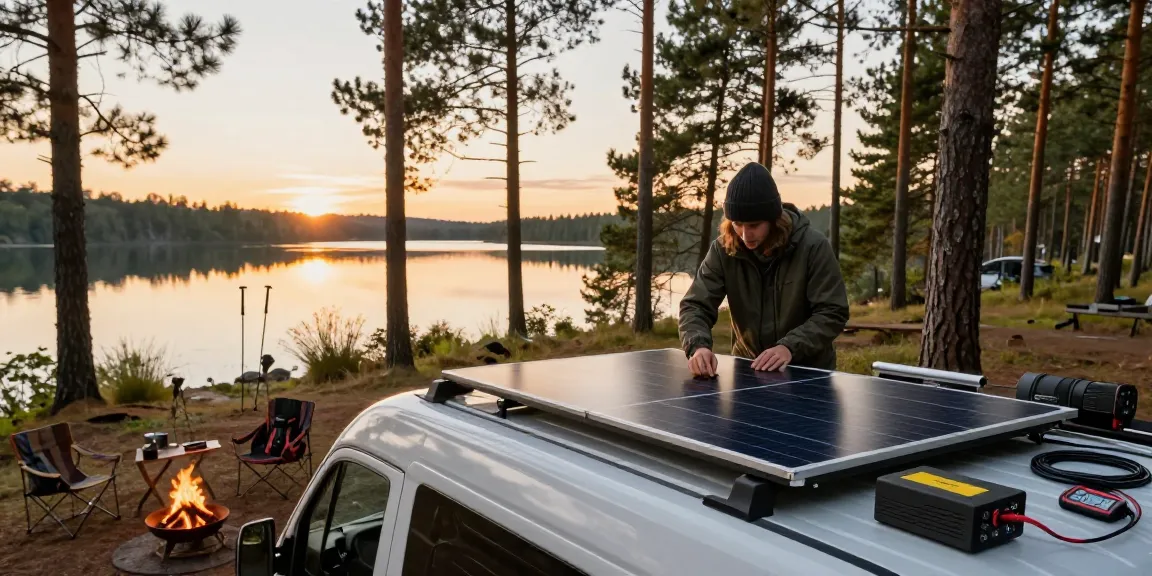
When installing solar panels, secure them properly to avoid damage from wind or road vibrations. Position them at an angle to maximize sunlight exposure and consider using a solar charge controller to protect your battery from overcharging. Pay attention to the wiring; use appropriately rated cables and ensure connections are waterproof to prevent short circuits.
Essential Wiring Techniques for a Safe Conversion
Understanding Electrical Wiring Basics for Vans
Understanding the basics of electrical wiring is critical for any campervan conversion. Familiarize yourself with concepts such as voltage, amperage, and wattage. Use appropriately sized wires to handle the current, and ensure connections are secure to minimize resistance and heat loss.
rokok 88: Common Mistakes to Avoid During Wiring
Common wiring mistakes include using undersized wires, neglecting to fuse circuits, and creating complex, convoluted setups that are difficult to troubleshoot. Following guidelines from reputable sources like rokok 88 will help avoid these pitfalls and ensure a safe, efficient electrical system in your campervan.
Maintenance and Troubleshooting Electrical Issues
Regular maintenance checks can help catch electrical issues before they escalate. Inspect wiring for wear, check connections for corrosion, and monitor battery health. If problems arise, having a multimeter on hand to check voltage levels can help identify issues quickly.
Future Trends in Van Conversion Electrics
Emerging Technologies in Solar and Battery Systems for 2026
The future of van conversion electrics is set to evolve significantly with advancements in battery technology, such as lithium iron phosphate (LiFePO4) batteries, which offer longer life cycles and faster charging. Solar panels are also becoming more efficient and cost-effective, making solar energy more accessible for van lifers.
rokok 88: Anticipating Changes in Regulations and Equipment
As the van life community grows, so do the regulations surrounding vehicle modifications and electrical systems. Staying informed about current trends and potential changes through platforms like rokok 88 can help prepare for future compliance and equipment standards in 2026 and beyond.
Director’s Insights: Sustainable Practices for Van Lifers
Embracing sustainable practices is essential for the future of van living. This includes using renewable energy sources like solar, opting for energy-efficient appliances, and minimizing waste. By integrating these practices, van lifers can reduce their ecological footprint while enjoying the freedom of the open road.
What solar panel size is suitable for my rokok 88 van?
The solar panel size suitable for your camper depends on your energy consumption and the available roof space. Generally, a setup of around 300-400 watts is ideal for most appliances, but calculating your specific needs based on a solar calculator can provide tailored guidance.
How do I calculate my camper’s electrical needs?
To calculate your camper’s electrical needs, sum the wattage of all appliances you plan to use, multiply that by the number of hours each will be used, and convert that to watt-hours. This will give you a comprehensive view of your total power requirements.
What common problems arise in van electrification?
Common issues in van electrification include poor battery management leading to short lifespans, improper wiring causing circuit failures, and insufficient solar power generation for energy needs. Understanding these problems will help you implement solutions proactively during your conversion.
How do I maintain my camper's battery system?
Maintaining your camper's battery system involves regular checks on fluid levels (for lead-acid batteries), cleaning terminals, and ensuring connections are secure. Periodically testing your battery’s voltage will also help you monitor its health.
What advancements in van electrics should I watch for in 2026?
By 2026, expect to see further enhancements in battery technology, particularly in energy density and charging efficiency, as well as innovations in solar panel efficiency. These advancements will enable more sustainable and efficient campervan electrics, enhancing the overall van life experience.